




SALALAH: Dhofar’s tropical fruits have become one of Oman’s distinctive agricultural products, reflecting the governorate’s unique climate and fertile landscapes while contributing to farmers’ livelihoods and seasonal tourism activity.
Supported by the fertile soils of the Salalah Plain and the cool, humid conditions created by the annual khareef season, Dhofar produces a variety of tropical fruits, including coconuts, bananas, lemons and guavas.
The favourable climate, marked by seasonal drizzle, mist and moderate temperatures, has helped farmers improve the quality and productivity of their crops while preserving traditional agricultural practices passed down through generations.
Farmer Mohammed bin Awad Safrar said Dhofar’s natural conditions make it one of the few areas in the Arabian Peninsula capable of producing tropical fruits on a commercial scale.
“Dhofar, particularly Salalah, is known for its wide variety of tropical fruits, including coconuts, lemons, bananas and guavas. As farmers, we attach great importance to cultivating these crops, especially during the Khareef season,” he said.
He added that Dhofar’s coconut production is a distinctive feature compared with other governorates in Oman and the wider Gulf region, noting that the current harvest has been highly successful.
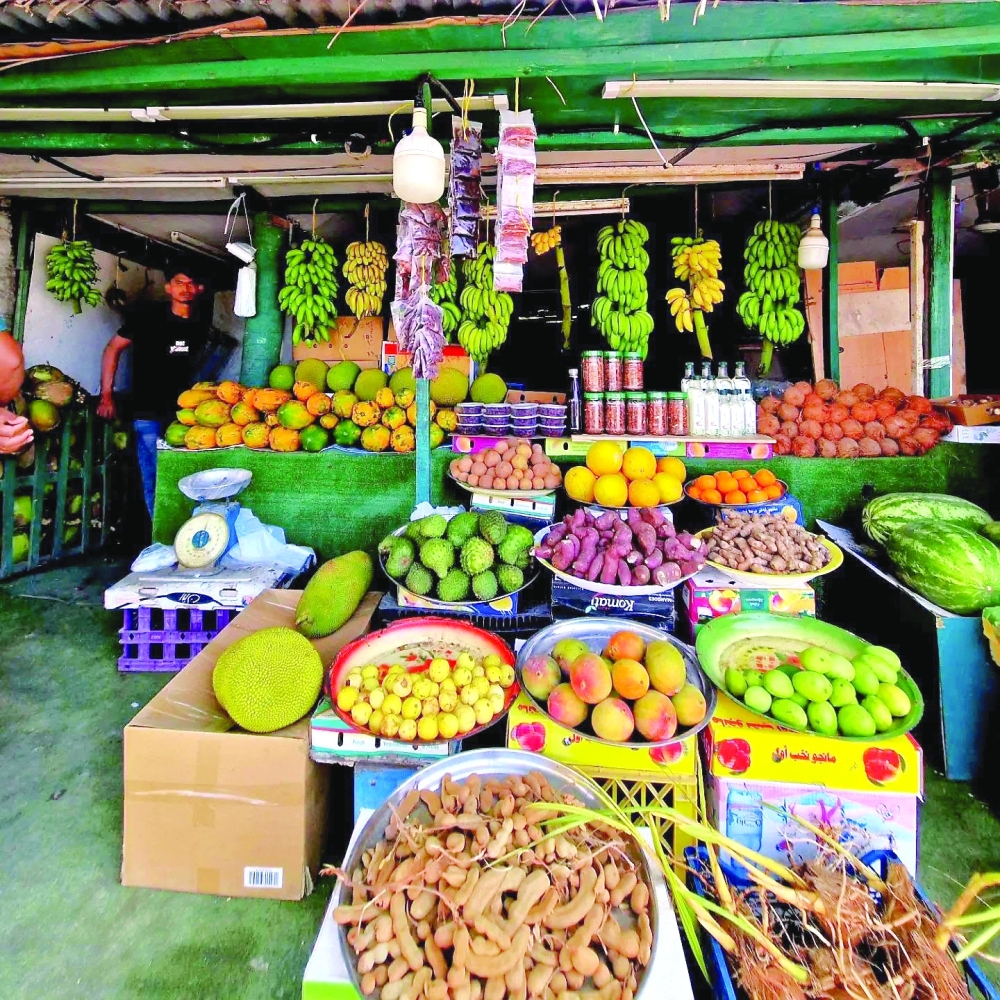
Agriculture remains an important part of Dhofar’s economy, with many farming families depending on seasonal fruit production as a major source of income. The Khareef season, which attracts large numbers of visitors from Oman and abroad, provides farmers with opportunities to sell fresh produce directly through roadside stalls and farm outlets across the governorate.
Dhofar is also the second-largest banana-producing governorate in Oman, with the Ministry of Agriculture, Fisheries and Water Resources supporting farmers through technical guidance, agricultural programmes and initiatives aimed at enhancing productivity.
Safrar said the khareef climate plays a crucial role in the success of tropical fruit cultivation.
“The continuous rainfall and moderate weather conditions over nearly three months help trees grow well and produce high-quality fruits. Banana production begins in September and continues until January, allowing farmers to supply markets for several months,” he said.
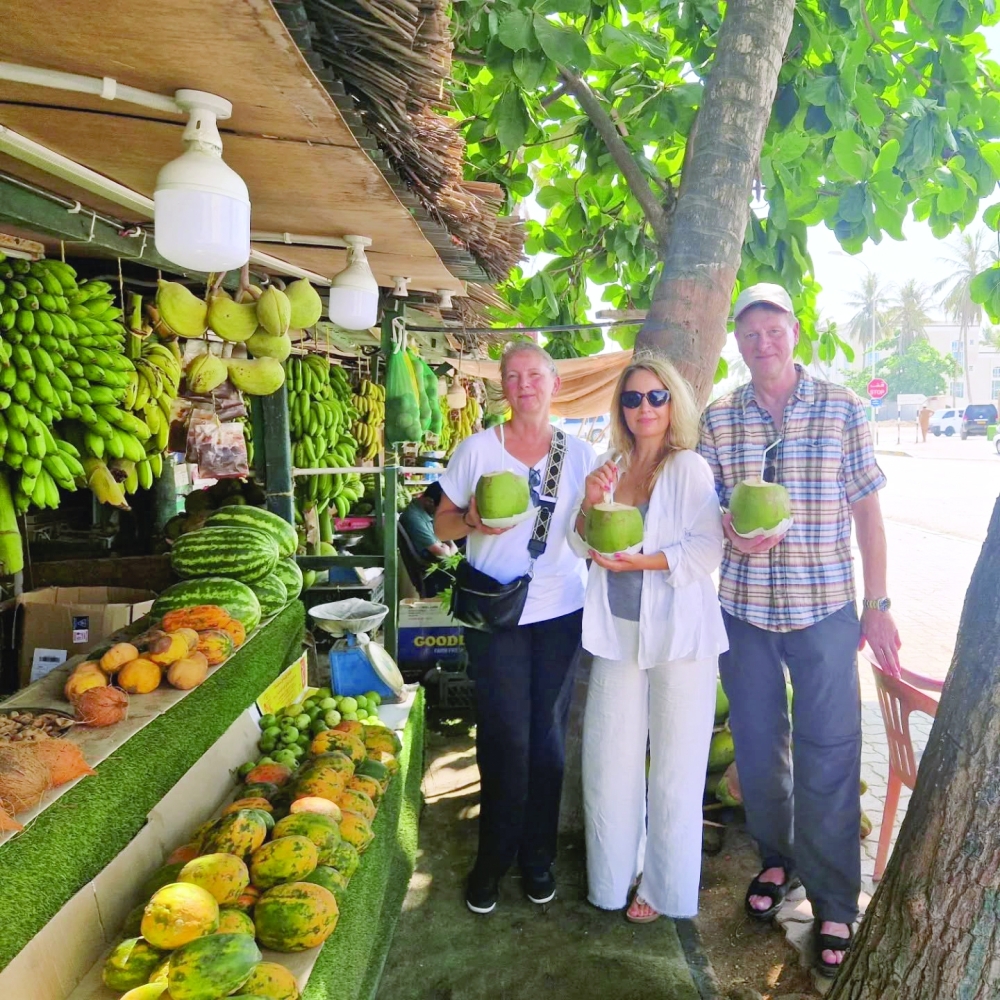
Beyond agriculture, tropical fruits have become an important part of the khareef tourism experience. Visitors travelling through Salalah and nearby rural areas often stop at roadside stalls to purchase freshly harvested produce, making local fruits a memorable part of their journey.
Coconuts remain among the most popular choices for visitors due to their freshness and strong association with Dhofar’s tropical landscape. Bananas, guavas and papayas are also in high demand, offering tourists a taste of the governorate’s agricultural heritage while creating additional income opportunities for farmers.
The growth of tropical fruit cultivation highlights the strong connection between agriculture, tourism and Dhofar’s natural environment.
As the khareef season transforms the governorate into a green landscape each year, local farms continue to play an important role in preserving traditions, supporting food production and contributing to sustainable economic growth.
Oman Observer is now on the WhatsApp channel. Click here